
By Staff writer
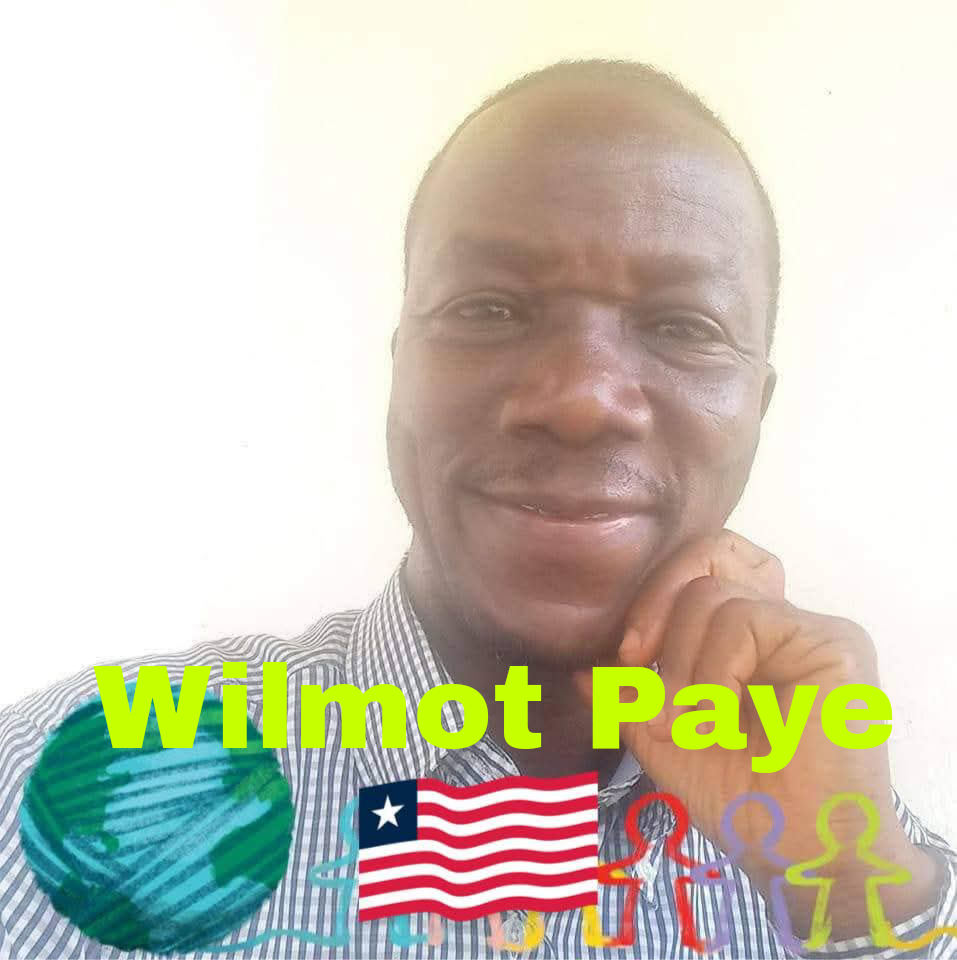
Monrovia, Liberia — Former Minister of Mines and Energy, Wilmot Paye, has raised concerns over recent remarks made by Vice President Jeremiah Kpan Koung, pointing to what he described as inconsistencies in the government’s approach to concession agreements and mining policy.
Reacting to a recent interview by the Vice President, Paye said some of the statements appeared to contradict the policy direction outlined by President Joseph Nyuma Boakai, particularly on the review of concession agreements.
During the interview, Vice President Koung noted that many concessions were negotiated by previous administrations and warned that attempting to reverse them could send negative signals to foreign investors.However, Paye argued that this position does not align with the President’s repeated commitment to reviewing concession agreements to ensure they better serve Liberia’s national interest.
Paye also weighed in on the amended Mineral Development Agreement (MDA) involving ArcelorMittal Liberia. While the Vice President highlighted a provision requiring the company to pay an annual fee of US$500,000, Paye noted that recent regulatory changes had already introduced a new fee structure for mining licenses.
According to him, incorporating such fees into concession agreements risks limiting the government’s ability to enforce regulatory adjustments in the future, potentially weakening oversight within the sector.
He further suggested that the amended agreement may not fully reflect the updated regulatory framework, raising concerns about how negotiations are concluded in Liberia’s extractive industry.
The former minister also pointed to the Putu Iron Ore project as a key opportunity for Liberia to rethink its approach to concession negotiations.
He argued that the government could explore alternative options, including regaining control of the asset before engaging new partners, rather than relying solely on existing contractual arrangements.
Paye emphasized that lessons from past agreements involving companies such as China Union and Bea Mountain Mining Corporation should guide future decisions to ensure more beneficial outcomes for the country.
In his remarks, Paye stressed the need for a more strategic and disciplined approach to managing Liberia’s natural resources, noting that the country must balance attracting foreign investment with protecting its long-term economic interests.
He warned that failure to properly structure agreements could continue to undermine Liberia’s ability to fully benefit from its mineral wealth.
The comments add to growing public discussion around governance, transparency, and policy consistency in Liberia’s extractive sector, as attention increasingly turns to how future agreements will be negotiated and implemented.